



Importance of the Trucking Industry in Modern Transportation
 -
#Fleet Management
#Commercial Trucks
#Trucking Industry
#Freight Delivery
#Trucking Business
-
9 views



Importance of the Trucking Industry in Modern Transportation
-
Posted by Marcus Davis
Filed in Maintenance Management
#Fleet Management
#Commercial Trucks
#Trucking Industry
#Freight Delivery
#Trucking Business
9 views
The Importance of the Trucking Industry in Modern Transportation and Supply Chains
Introduction
The trucking industry plays a vital role in keeping businesses, communities, and economies moving. From delivering everyday essentials to transporting industrial equipment and construction materials, trucks are an essential part of the global supply chain.
As businesses continue to expand and customer expectations for faster deliveries increase, the demand for reliable trucking and freight transportation services continues to grow. Trucking connects manufacturers, suppliers, warehouses, retailers, and consumers, making it one of the most important sectors in modern transportation.
1. Why Is the Trucking Industry So Important?
Trucking provides flexible and reliable transportation for goods across cities, states, and countries. Unlike other transportation methods, trucks can deliver products directly from warehouses to businesses and customers.
Some key benefits include:
-
Door-to-Door Delivery: Trucks provide direct transportation between pickup and delivery locations.
-
Supply Chain Support: They help businesses maintain inventory and meet customer demands.
-
Flexible Transportation: Different truck types accommodate various cargo sizes and requirements.
-
Economic Contribution: The trucking industry supports businesses, employment, and commercial activities.
2. Different Types of Trucks Used in Transportation
Different industries require different types of trucks depending on the cargo, distance, and delivery requirements.
-
Semi-Trucks: Commonly used for long-distance freight transportation.
-
Box Trucks: Ideal for local deliveries, furniture transportation, and commercial goods.
-
Flatbed Trucks: Used to transport construction materials, machinery, and oversized equipment.
-
Refrigerated Trucks: Designed to transport temperature-sensitive products such as food and pharmaceuticals.
-
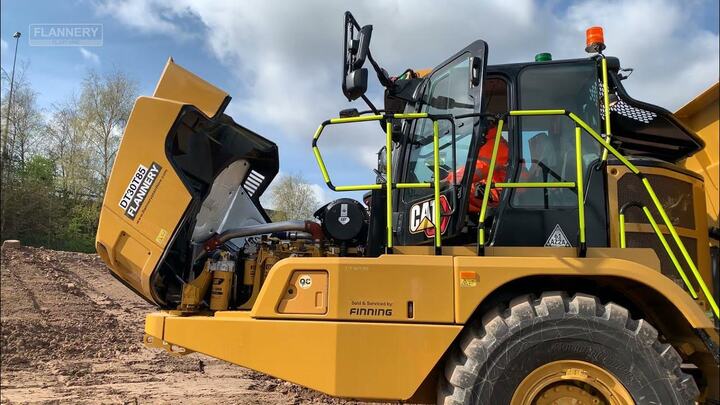
Dump Trucks: Essential for construction, mining, and infrastructure projects.
-
Tanker Trucks: Used to transport liquids, fuels, and other specialized materials.
Choosing the right truck helps improve transportation efficiency and cargo safety.
3. Technology Transforming the Trucking Industry
Technology is changing how trucking businesses operate. Modern transportation companies are adopting innovative solutions to improve efficiency, safety, and delivery performance.
Some important developments include:
-
GPS tracking and real-time fleet monitoring.
-
AI-powered route planning and optimization.
-
Electronic logging devices (ELDs).
-
Advanced driver-assistance systems (ADAS).
-
Fleet management and maintenance software.
-
Electric and alternative-fuel trucks.
These technologies help businesses reduce operational challenges, monitor vehicle performance, and improve transportation management.
4. Common Challenges Facing the Trucking Industry
Despite its importance, the trucking industry faces several operational challenges.
Rising Fuel Costs: Fuel expenses significantly influence transportation budgets and profitability.
Driver Shortages: Recruiting and retaining qualified commercial truck drivers remains an important industry concern.
Vehicle Maintenance: Regular inspections and maintenance are necessary to prevent breakdowns and improve road safety.
Traffic and Delivery Delays: Congestion, weather conditions, and unexpected road closures can affect delivery schedules.
Regulatory Compliance: Trucking companies must follow applicable transportation, safety, and environmental regulations.
Addressing these challenges requires effective planning, technology adoption, and continuous investment in fleet operations.
5. The Future of the Trucking Industry
The future of trucking will be shaped by technological innovation, sustainability, and changing transportation requirements.
Electric trucks, intelligent fleet management systems, connected vehicles, and improved logistics platforms are expected to play increasingly important roles in the industry.
Companies that invest in modern transportation solutions and operational efficiency will be better positioned to respond to changing market demands.
Conclusion
The trucking industry is more than just moving goods from one location to another. It is a critical part of the economy, supporting businesses, creating employment opportunities, and connecting communities.
As technology continues to evolve, the trucking sector will remain essential to building a more efficient, reliable, and sustainable transportation network.
The road ahead is changing, and the trucking industry is moving forward with it.
-


